

Now Reading: The Fuel Squeeze: Analyzing the Ripple Effect of the Regional Hike on Eswatini’s Retail and Consumer Landscape
-
01
The Fuel Squeeze: Analyzing the Ripple Effect of the Regional Hike on Eswatini’s Retail and Consumer Landscape
Advertisement

The Fuel Squeeze: Analyzing the Ripple Effect of the Regional Hike on Eswatini’s Retail and Consumer Landscape

Advertisement
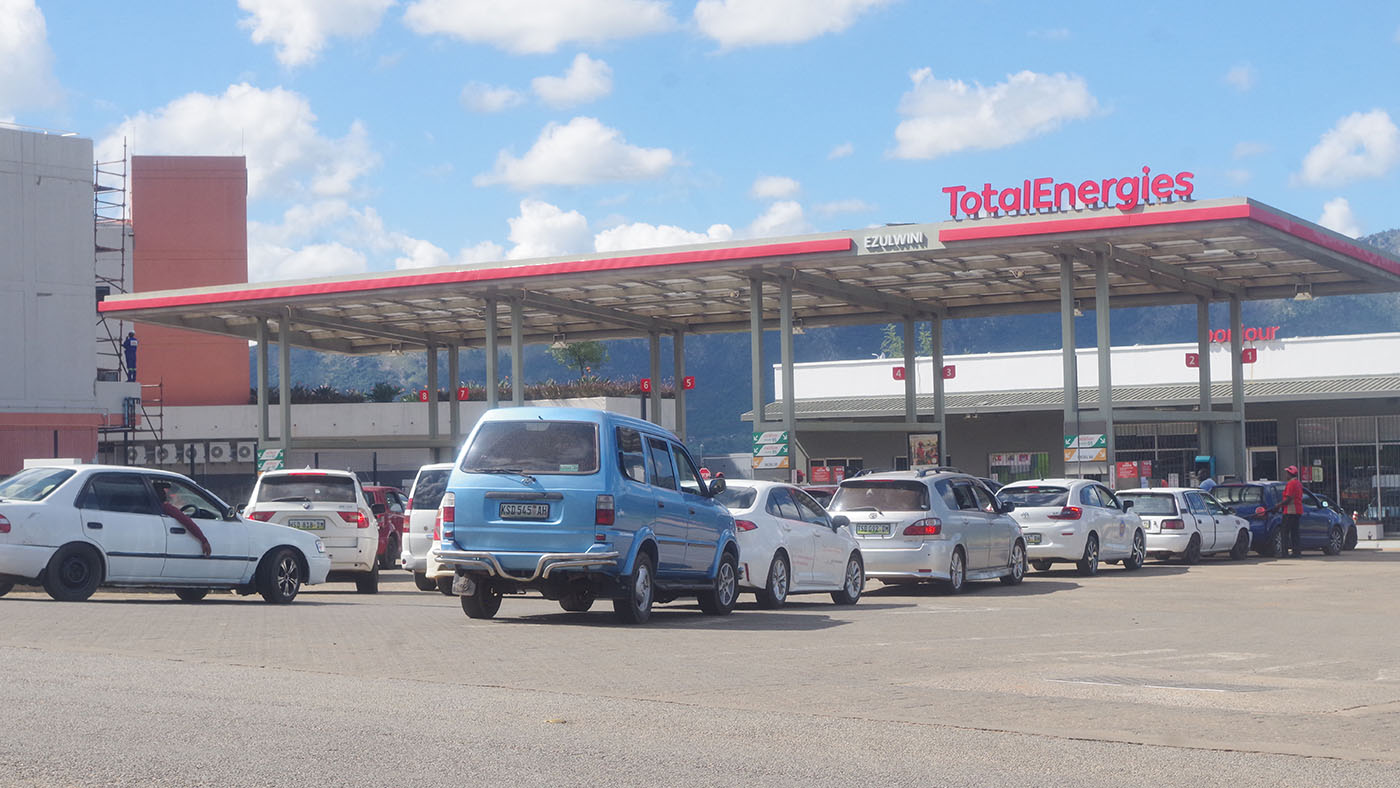
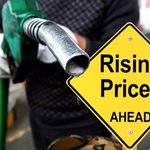
With South Africa confirming a sharp spike in fuel prices—petrol climbing by R3.27 and diesel by a staggering R6.19 per litre—the shockwaves are already crossing the Oshoek border. For Eswatini, a nation heavily reliant on South African supply chains and logistics, this is more than just a “neighbor’s problem”; it is a direct threat to domestic price stability.
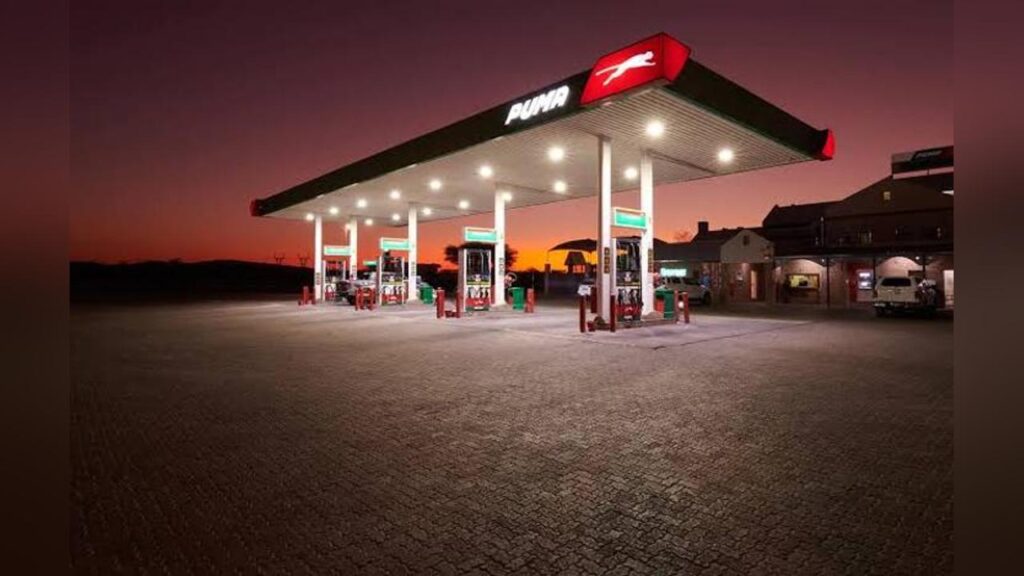
As the global oil market continues to tighten, The Source Eswatini examines the high-stakes impact this “Global Squeeze” will have on our local retailers, consumers, and small businesses.
1. The Retailer’s Dilemma: Rising Input Costs
For the retail sector, fuel is the “invisible ingredient” in every product on the shelf.
- Logistics Inflation: Most retail goods in Eswatini are trucked from South African distribution centers. A R6.19 diesel hike means transport operators will inevitably pass these costs to retailers.
- Margin Pressure: Retailers face a difficult choice: absorb the increased shipping costs and watch margins shrink, or hike shelf prices and risk losing cash-strapped customers.
2. The Consumer’s Struggle: The Shrinking Lilangeni
The average Swati consumer is already navigating a high-inflation environment. This hike hits the pocket in two ways:
- Direct Costs: Commuters and private car owners will see an immediate drop in disposable income as travel costs eat into the monthly budget.
- Indirect Costs: History shows that when fuel goes up, bread, milk, and basic essentials follow within weeks. This is the “Salary Stretch” challenge that defines 2026.
3. Small Businesses: The Resilience Test
For MSMEs, particularly those in delivery, construction, and agribusiness, fuel is a primary operational expense. Without the “cushion” that larger corporations enjoy, small businesses may find their “Mafia Offers” becoming harder to sustain as overheads spiral.
The Source Verdict
At The Source Eswatini, we believe in Execution Over Theory. While the government’s Strategic Oil Reserve at Nokwane is a vital long-term safeguard, the immediate reality is one of forced efficiency.
This hike is a signal for Eswatini businesses to pivot. We expect to see a surge in “Phygital” logistics—optimizing delivery routes via digital platforms to save physical fuel. For the consumer, the “Retail Revolution” means being more selective; brand loyalty will likely take a backseat to price-driven shopping.
Ultimately, this regional squeeze serves as a loud reminder: Energy security is economic security. Until Eswatini fully integrates local bioethanol and strengthens its strategic reserves, our retail pulse will remain at the mercy of global supply disruptions.
Stay Ahead of the Pulse
How is your business adjusting to the fuel volatility? Join the conversation on our digital platform.
Click the Blue Icon to subscribe for exclusive economic briefs and tips on how to protect your margins during the global squeeze. Intelligence is the only fuel that doesn’t go up in price. 🔵👇










Advertisement

Related Posts


Stay Informed With the Latest & Most Important News






Advertisement