

Now Reading: THE PRICE OF STAPLE SURGERY: Inside Cabinet’s 4.23% Bread Price Hike and Eswatini’s Compounding Cost Crisis
-
01
THE PRICE OF STAPLE SURGERY: Inside Cabinet’s 4.23% Bread Price Hike and Eswatini’s Compounding Cost Crisis
Advertisement

THE PRICE OF STAPLE SURGERY: Inside Cabinet’s 4.23% Bread Price Hike and Eswatini’s Compounding Cost Crisis

Advertisement
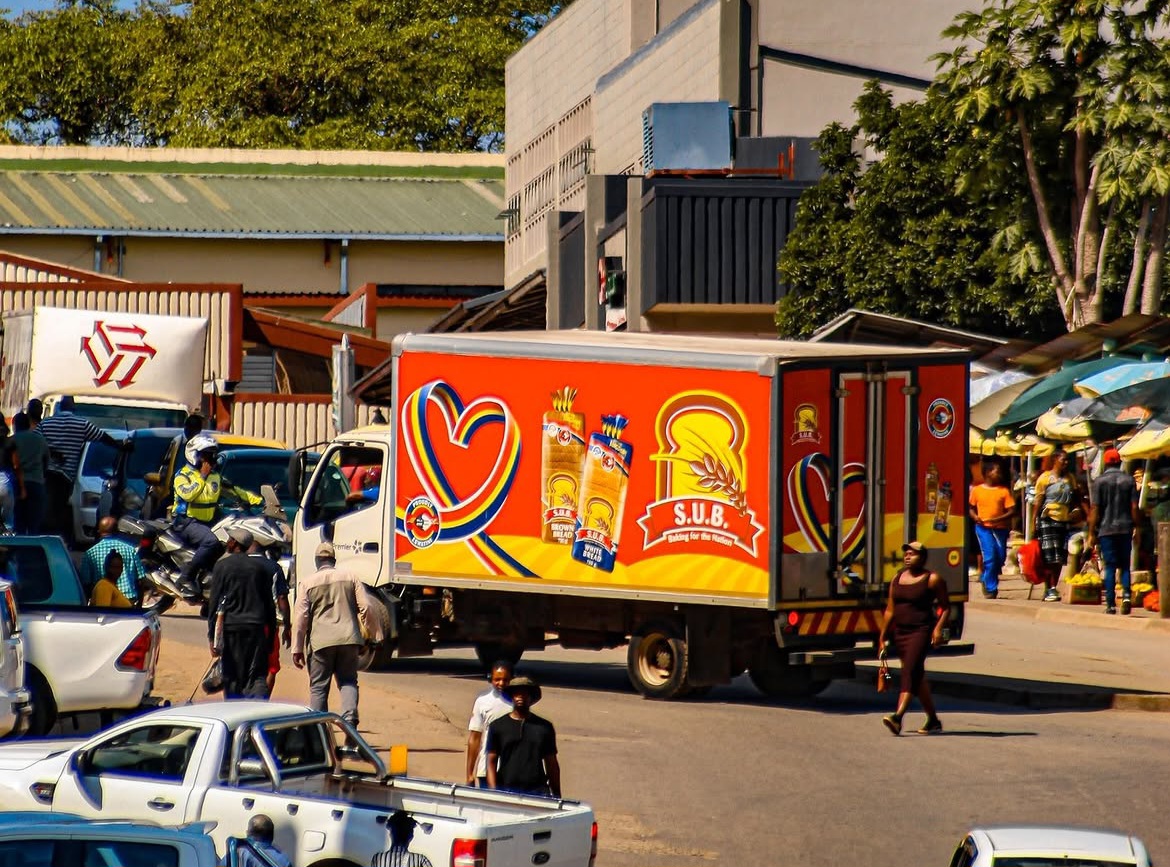
Eswatini households face a severe liquidity squeeze as Cabinet officially approves a 4.23% maximum price adjustment on regulated bread, effective October 1, 2026. The price hike—the second government-sanctioned bread price increase in under 12 months—will push the maximum retail price of an 800g white loaf to E18.66 and an 800g brown loaf to E16.26.
The Ministry of Commerce, Industry and Trade, through Chief Commercial Officer Sonto Hlophe, confirmed that the price review was implemented under Section 5(1) of the Price Control Order of 1973 following a formal appeal by the Eswatini Bakers’ Association.
While regulators frame the adjustment as an operational necessity to prevent bakery closures and safeguard sector employment, the decision highlights a broader, systemic compounding of administered price shocks hitting Eswatini’s consumer base.
- The Unit Economics Behind the Adjustment The latest price revision follows a 7% increase implemented on November 1, 2025, which brought white bread to E17.90 and brown bread to E15.60. Under the new October 2026 pricing schedule, retail figures across standard weights adjust as follows:
- 800g White Loaf: Rises from E17.90 to E18.66 (Wholesale: E18.21)
- 800g Brown Loaf: Rises from E15.60 to E16.26 (Wholesale: E15.81)
- 700g White Loaf: Rises from E16.36 to E17.05 (Wholesale: E16.58)
- 700g Brown Loaf: Rises from E14.64 to E15.26 (Wholesale: E14.79)
According to the Ministry’s cost audit, the price of primary industrial inputs—specifically wheat flour, premix blends, packaging, and commercial utilities—escalated sharply between November 2025 and June 2026, threatening the cash flows of commercial bakeries nationwide.
- Cascading Upstream Pressures: Fuel, Logistics, and Levies The operational squeeze on local bakeries does not exist in isolation. It is the direct consequence of multi-layered cost escalations across national supply networks:
- Surging Fuel & Logistics Costs: Following major hikes earlier in the year, the Ministry of Natural Resources and Energy executed a further pump price increase on September 4, 2026—pushing Unleaded Petrol (ULP95) to E25.97/litre and Diesel (50ppm) to E28.85/litre. Transportation inflation subsequently accelerated to 3.5% in August, raising distribution costs for bakery delivery fleets.
- Administered Utility Tariffs: The Eswatini Energy Regulatory Authority (ESERA) implemented an effective 11.74% average electricity tariff increase earlier in the fiscal year, directly driving up industrial baking oven operating costs.
- Upstream Supply Chain Warnings: Regional FMCG giants Premier Group and Tiger Brands previously signaled unavoidable price increases of up to 5% across wheat, maize, and processed food portfolios due to global supply chain friction.
- Regulatory Import Levies: NAMBoard enforced a 24% levy on imported edible oils effective September 1, 2026, adding friction to commercial food preparation costs.
- Macro Impact: Indebtedness & Hedging Against Inflation The timing of the bread adjustment intersects with rising headline inflation, which climbed to 2.8% in August 2026 (up from 2.5% in July), primarily driven by housing, utilities, and fuel components.
Concurrently, figures from the Central Bank of Eswatini (CBE) reveal growing consumer financial vulnerability. Total credit extended to households reached E9.9 billion in June 2026—an 11.6% year-on-year increase—with unsecured personal loans expanding to E4.1 billion. As essential food items, transport fares (with proposed bus fare hikes up to 25% awaiting parliamentary debate), and utilities climb simultaneously, real household income continues to erode.
📈 THE SOURCE VERDICT
THE MACRO ANALYSIS: The October 1 bread price increase exposes the structural limits of price-regulated commodities in an import-dependent economy. When administered energy, fuel, and transport costs rise continuously, maintaining artificially depressed retail price caps forces manufacturers to operate at a loss or cut production. Regulators face a strict dilemma: allow incremental price pass-throughs to protect domestic production and jobs, or risk product scarcity.
THE VERDICT FOR CONSUMERS & BUSINESSES: The era of low-cost basic basket goods in Eswatini has temporarily closed. Fast-moving consumer goods (FMCG) retailers, food service operators, and households must optimize procurement, adjust operational margins, and prepare for persistent food and energy price pressures through the remainder of 2026.
🔔 JOIN ESWATINI’S MOST POWERFUL CORPORATE & STRATEGIC NETWORK
Are you positioned to navigate food inflation, supply chain shifts, and macroeconomic policy in Eswatini?
Click the BLUE SUBSCRIBE ICON at the bottom of your screen to join 100,000+ top executives, commercial suppliers, and policy leaders who rely on The Source for high-impact market intelligence.
[ 🔵 CLICK TO SUBSCRIBE & ENABLE NOTIFICATIONS ]










Advertisement

Stay Informed With the Latest & Most Important News







Advertisement