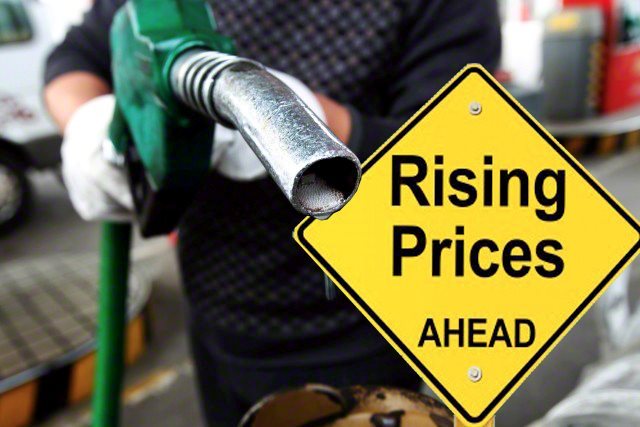
MBABANE — Eswatini is bracing for a steep economic shock following an official statement issued by the Ministry of Natural Resources and Energy on September 30, 2026. Driven by escalating geopolitical conflict, maritime supply disruptions, and global crude oil surges, the domestic price of fuel will jump by E3.43 per litre across all major petroleum categories.
The price adjustment, signed by Principal Secretary Lindiwe F. Mbingo, officially comes into effect at midnight on Thursday, October 1, 2026, with retail pumps adjusting nationwide on Friday, October 2, 2026.
New Fuel Price Breakdown (Effective Oct 2, 2026)
Starting Friday morning, consumers and commercial operators across the Kingdom will face unprecedented price levels at filling stations:
Unleaded Petrol (ULP 95): Increases from E25.97 per litre to E29.40 per litre.
Diesel (50ppm S / 0.005% S): Increases from E28.85 per litre to E32.25 per litre.
Illuminating Paraffin: Increases from E21.73 per litre to E25.16 per litre.
Key Drivers Behind the Price Surge:
Global Crude Oil Spike: International crude oil benchmarks surged from an average of USD 89 per barrel in August 2026 to USD 102 per barrel in September 2026.
Maritime Chokepoint Disruptions: Persistent geopolitical tensions restricted shipping traffic through the Strait of Hormuz and Bab al-Mandab Strait, severely bottlenecking global oil transit and escalating maritime insurance fees.
Russian Refinery Attacks: Ukrainian attacks targeting Russian oil refining infrastructure caused significant international product shortages, particularly in middle distillates such as diesel.
Currency Depreciation: The Lilangeni slightly weakened against the US Dollar, moving from an average of E16.14/$1 in August to E16.18/$1 in September 2026, increasing landed import costs.
”The Ministry encourages the public to use fuel efficiently as the international oil markets and the Lilangeni/Dollar exchange rate remain volatile,” Principal Secretary Lindiwe F. Mbingo stated.
Economic & Consumer Impact
The E3.43 per litre surge presents an immediate compounding challenge for Eswatini’s economy:
Logistics & Haulage Shock: With Diesel breaking the E32.00/L mark, heavy transport, logistics, timber freight, and agricultural fleets face immediate operating cost spikes.
Retail Inflation Ripple: Higher transport and import overheads will inevitably cascade into retail shelf prices for food and essential consumer goods.
Household Pressure: The sharp increase in illuminating paraffin directly affects low-income urban and rural households relying on paraffin for daily cooking and heating.
📈 THE SOURCE VERDICT
ECONOMIC RISK ANALYSIS: The E3.43 per litre hike represents one of the sharpest single adjustments in Eswatini’s recent history. With global energy markets destabilized by Middle Eastern shipping chokepoints and refinery disruptions, Eswatini’s import-dependent economy faces heightened inflationary pressure heading into Q4 2026. Businesses and transport operators must urgently implement fleet efficiency measures to cushion against sustained global margin erosion.
🔔 JOIN ESWATINI’S MOST POWERFUL CORPORATE & STRATEGIC NETWORK
Are you positioned to evaluate market risks, track regional commodity shifts, and protect your commercial enterprise?
Click the BLUE SUBSCRIBE ICON at the bottom of your screen to join 100,000+ top executives, fleet operators, and corporate leaders who rely on The Source for investigative analysis and market intelligence.