

Now Reading: SPECIAL REPORT: The Death of Wicknell Chivayo and the Unraveling of His R3 Billion Energy & Infrastructure Vision in Eswatini
-
01
SPECIAL REPORT: The Death of Wicknell Chivayo and the Unraveling of His R3 Billion Energy & Infrastructure Vision in Eswatini
Advertisement

SPECIAL REPORT: The Death of Wicknell Chivayo and the Unraveling of His R3 Billion Energy & Infrastructure Vision in Eswatini

Advertisement
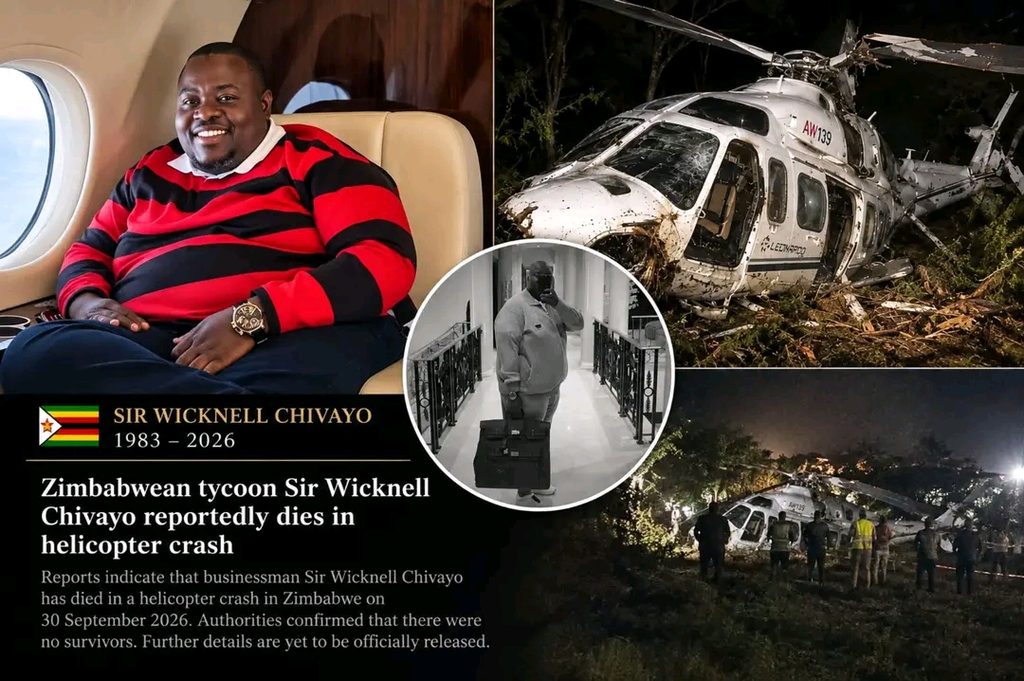
MBABANE — The tragic death of controversial Zimbabwean tycoon Wicknell Chivayo in a fatal helicopter crash in Marondera, Zimbabwe, on Wednesday evening has sent shockwaves across regional business networks. The tragedy directly impacts Eswatini, where Chivayo had rapidly positioned himself as a central private investor promising multibillion-Lilangeni renewable energy and infrastructure projects.
Chivayo, 45, along with his wife Lucy Muteke and four others, perished when their aircraft went down around 5:00 PM on September 30, 2026, as confirmed by Zimbabwean police and official government statements. Beyond the fallout in Harare, his sudden demise leaves massive questions hanging over his pledged investments, royal engagements, and diplomatic access within the Kingdom of Eswatini.
The Eswatini Footprint: A R3 Billion Solar Vision
In mid-2026, Chivayo made headlines across Southern Africa by expanding his commercial ambitions beyond Zimbabwe and Kenya. Central to his Eswatini push was a pledged R3 billion (E3 billion), 300MW solar energy project intended to boost national grid capacity and support energy self-sufficiency.
Key elements of Chivayo’s Eswatini engagements included:
- Multibillion Energy Pledge: Pledging a massive R3 billion solar farm through his corporate entities, positioned as a flagship public-private energy partnership.
- Royal Audience & Diplomatic Ties: Developing a direct relationship with His Majesty King Mswati III, marked by high-level meetings, including a formal luncheon in Cape Town facilitated by Prince Lindani.
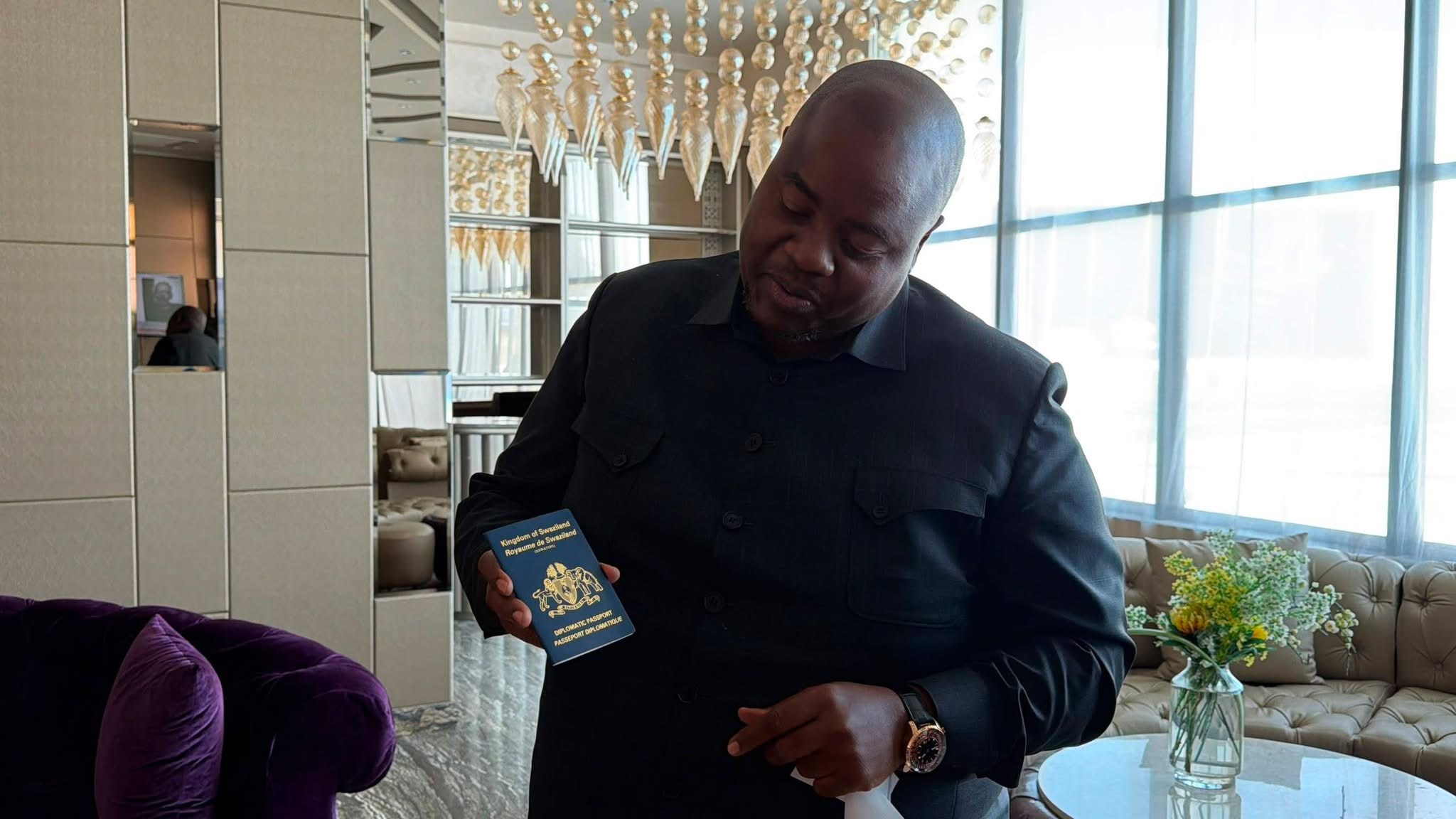
- Diplomatic Recognition & Citizenship: Receiving Eswatini citizenship and a diplomatic passport to facilitate regional business travel and investment mobilization.
- Residential & Real Estate Expansion: Publicly announcing plans to acquire a high-end property in Mbabane to serve as an operational base for his growing Eswatini portfolio.
A Track Record Shadowed by Regional Controversy
While Chivayo presented his Eswatini venture as a transformational capital injection, regional energy analysts and corporate observers maintained a cautious stance.
In Zimbabwe, Chivayo’s primary energy vehicle, Intratrek Zimbabwe, had been embroiled in years of high-profile legal battles surrounding advance payments for the 100MW Gwanda Solar Project. Although he secured formal legal acquittals in 2024 and cleared Anti-Corruption Commission reviews in late 2025, critics questioned whether the proposed Eswatini project would face similar execution hurdles.
Despite past debates, Chivayo’s access to African political leaders—including recent infrastructure positioning in Kenya and high-level engagements in Eswatini—underscored his unique ability to leverage elite networks for major state-level procurement discussions.
What His Passing Means for Eswatini’s Infrastructure Pipeline
The sudden loss of Chivayo creates an immediate operational void for his corporate entities and leaves the status of his Eswatini investments in limbo:
- Uncertainty Over the R3B Solar Project: With Chivayo acting as the primary driver and financier-negotiator, questions remain whether Intratrek or associated corporate structures will proceed with groundbreaking.
- Scrutiny on Escrow & Project Guarantees: Eswatini’s energy sector stakeholders will need to evaluate whether formal contractual commitments, land allocations, or financial escrows were established prior to his death.
- Diplomatic & Corporate Precedents: The episode highlights the structural risks associated with tying mega-infrastructure developments to single-promoter figures rather than institutionalized institutional consortia.
📈 THE SOURCE VERDICT
STRATEGIC INFRASTRUCTURE ANALYSIS: Wicknell Chivayo’s rapid entry into Eswatini demonstrated the Kingdom’s attractiveness for private energy capital, but his sudden death exposes the fragility of mega-projects dependent on individual promoters. Eswatini’s Ministry of Natural Resources and Energy and national power authorities must prioritize institutionalized, escrow-backed energy frameworks to ensure that crucial solar generation projects can survive corporate or political disruption.
🔔 JOIN ESWATINI’S MOST POWERFUL CORPORATE & STRATEGIC NETWORK
Are you positioned to evaluate regional investment risks, monitor energy sector developments, and protect your enterprise’s strategic holdings?
Click the BLUE SUBSCRIBE ICON at the bottom of your screen to join 100,000+ top executives, energy developers, and corporate leaders who rely on The Source for investigative analysis and market intelligence.
🔵 CLICK TO SUBSCRIBE & ENABLE NOTIFICATIONS










Advertisement

Stay Informed With the Latest & Most Important News








Advertisement