

Now Reading: SCIENTIFIC SOVEREIGNTY: NERCHA and Ministry of Health Overhaul Eswatini’s Health Research Policy for 2026 and Beyond
-
01
SCIENTIFIC SOVEREIGNTY: NERCHA and Ministry of Health Overhaul Eswatini’s Health Research Policy for 2026 and Beyond
Advertisement

SCIENTIFIC SOVEREIGNTY: NERCHA and Ministry of Health Overhaul Eswatini’s Health Research Policy for 2026 and Beyond


Advertisement
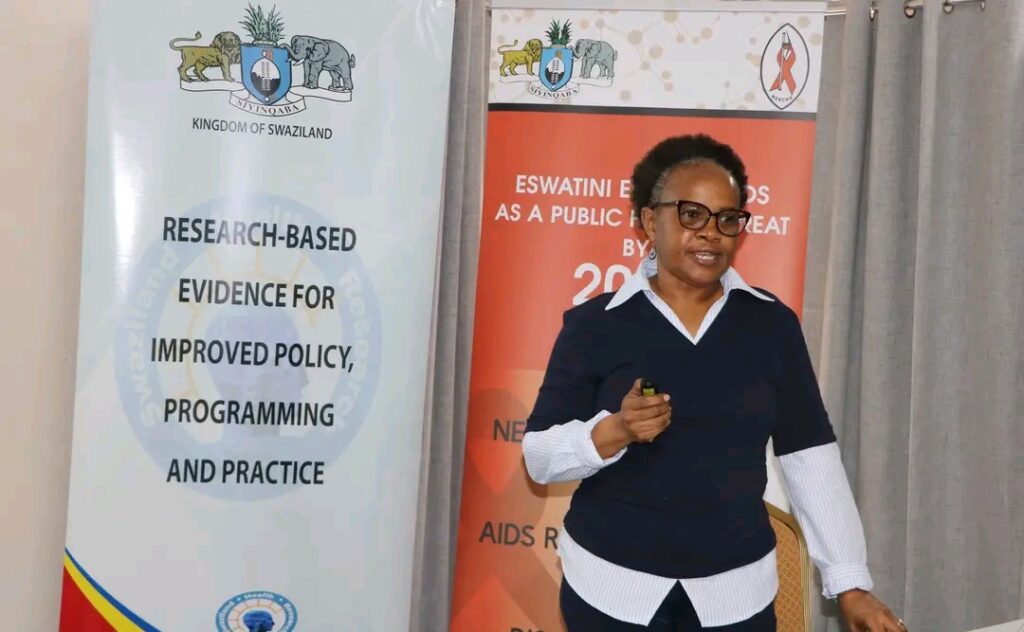
Health research has officially transitioned from a luxury of academic institutions to the absolute cornerstone of national evidence-based decision-making, clinical practice, and sustainable healthcare delivery. To ensure Eswatini’s regulatory architecture meets rapidly evolving global trends and local epidemiological shifts, the National Emergency Response Council on HIV and AIDS (NERCHA), in direct collaboration with the Ministry of Health and key public health stakeholders, has officially commenced a pivotal 3-day legislative and scientific workshop.
The immediate objective of this high-level deliberation is clear: review the systemic successes and bottlenecks of the outgoing National Health Research Policy (originally slated for 2014–2023, extended to 2026) and draft a robust, forward-looking statutory framework for 2026 and beyond.
The Historical Trajectory: From Policy Vacuum to Institutional Regulation
The road to this consultative milestone highlights just how far the Kingdom’s biomedical and public health frameworks have progressed over the last three decades:
- The Late 1990s (The Foundation): Eswatini laid its initial groundwork with the establishment of the early Health Research Unit, operating in an environment completely devoid of formal centralized policies or unified ethical codes.
- 2014 (The First Milestone): The nation successfully transitioned into a regulated environment with the implementation of its very first dedicated health research policy, creating a standardized blueprint for local data collection and human subject protections.
- The Present Era (The Modern Framework): Today, the Ministry of Health boasts a fully functional, highly integrated Health Research and Innovation Unit. This unit ensures rigorous oversight, coordinates multisectoral research systems, and safeguards national data sovereignty.
While this historical evolution has stabilized Eswatini’s research credibility on the international stage, public health experts acknowledge that the previous policy cycle left several critical gaps that must be aggressively addressed in the 2026 iteration.
Breaking Down the Structural Bottlenecks
Candid progress reports shared by academic researchers and public health specialists during the opening sessions identified three major systemic friction points that have historically choked the translation of data into real-world medicine:
- Institutional Coordination: Fragmented communication between academic bodies, non-governmental organizations (NGOs), and state ministries, often resulting in duplicated research efforts and disjointed clinical guidelines.
- Technical Capacity: The urgent need to upskill local scientists, biostatisticians, and clinical trial investigators to reduce the country’s historical reliance on external, international research agencies.
- Resource Mobilization: Cultivating reliable domestic funding channels to finance large-scale clinical trials and health services research, reducing vulnerabilities associated with shifting foreign donor priorities.
These three pillars form the structural foundation of the upcoming strategy. By addressing coordination, local capacity, and funding streams, the strategic planning teams aim to finalize a policy framework that mandates clearer ethics boards, automates data-sharing pipelines, and incentivizes indigenous health tech innovations.
📈 THE SOURCE VERDICT
THE HEALTH SECTOR & MACRO ANALYSIS: Policy formulation can often feel like a purely bureaucratic exercise, but in public health, data is literally a matter of life and death. The outgoing policy served its purpose by bringing order to a wild-west research landscape. However, as Eswatini pushes aggressively toward true Universal Health Coverage (UHC), our medical systems can no longer operate on outdated 2014 baselines.
THE VERDICT: NERCHA and the Ministry of Health’s decision to execute a comprehensive, 3-day overhaul is exactly what the sector needs. Forcing academic researchers and state officials to candidly debate resource mobilization and institutional bottlenecks ensures that the 2026 policy will be practical rather than merely aspirational. If the final draft successfully creates legally binding structures for domestic research funding and seamless inter-agency data sharing, Eswatini will firmly cement its position as a self-reliant, evidence-driven public health leader in the region.
🔔 JOIN THE EXECUTIVE CIRCLE
Stay ahead of national policy shifts, medical infrastructure investments, and international development grants impacting the Kingdom.
Click the BLUE SUBSCRIBE ICON at the bottom of your screen to join 100,000+ top executives, retailers, and entrepreneurs who rely on The Source for instant corporate metrics, verified national data, and strategic financial analysis.
🔵 CLICK TO SUBSCRIBE & ENABLE NOTIFICATIONS










Advertisement

Related Posts



Stay Informed With the Latest & Most Important News







Advertisement