

Now Reading: THE GLOBAL STAGE: Minister Neal Rijkenberg Joins World Leaders in Vienna, Tackles Continental Value Chains at OPEC Forum
-
01
THE GLOBAL STAGE: Minister Neal Rijkenberg Joins World Leaders in Vienna, Tackles Continental Value Chains at OPEC Forum
Advertisement

THE GLOBAL STAGE: Minister Neal Rijkenberg Joins World Leaders in Vienna, Tackles Continental Value Chains at OPEC Forum

Advertisement
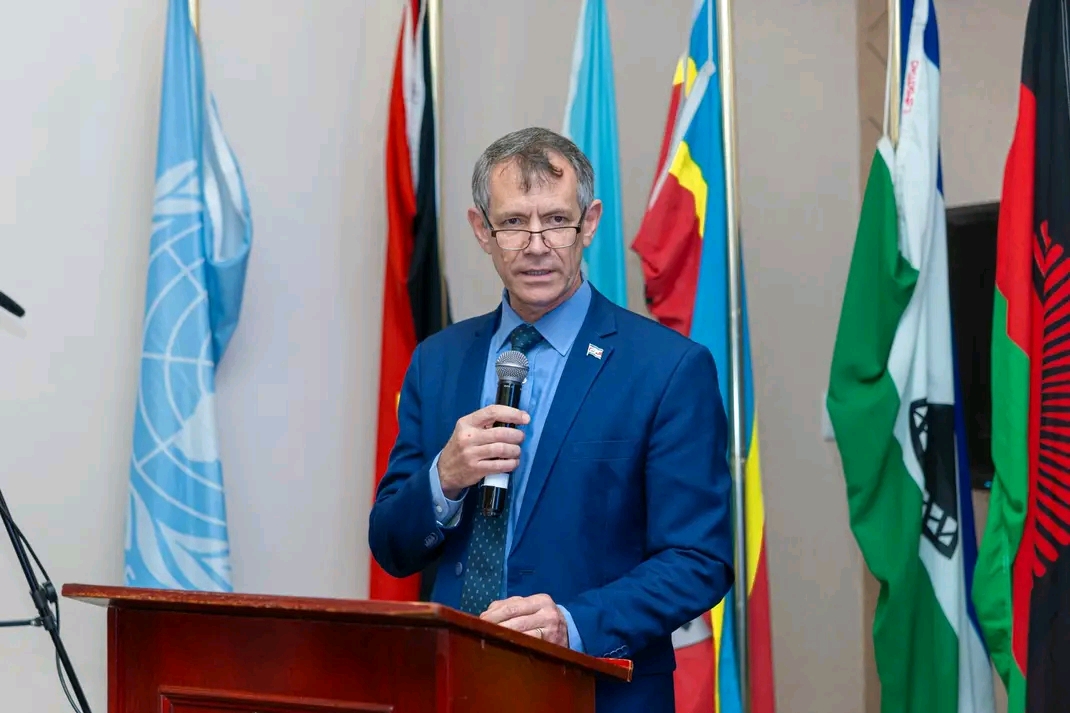
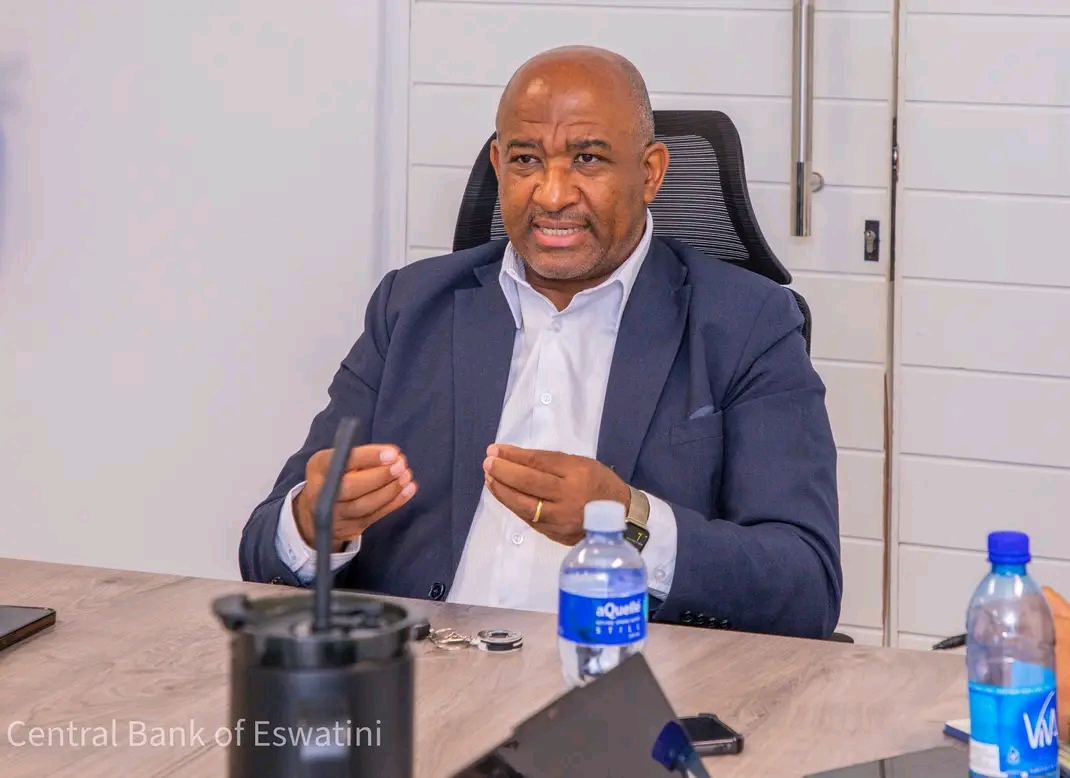
In a major diplomatic and macroeconomic showcase for the Kingdom, Eswatini’s Minister of Finance, Honorable Neal Rijkenberg, took the global stage at the OPEC Fund Development Forum 2026 held at the historic Hofburg Imperial Palace in Vienna, Austria.
The high-level anniversary forum, marking five decades of global development impact under the theme “A Transition That Empowers Our Tomorrow,” convened heads of state, finance ministers, and multilateral institutional leaders. Minister Rijkenberg was selected as a key panelist for a pivotal, forward-looking session explicitly designed to decode the sub-Saharan economic landscape: “Upgrading Local Value Chains: Driving High-Value Exports and Diversifying Growth.”
The Structural Mandate: Retaining Wealth on African Soil
The panel discussion brought Minister Rijkenberg together with an elite cohort of continental policymakers, including Issifu Seidu (Ghana’s Minister of State for Climate Change and Sustainability), Amb. Selma Malika Haddadi (Deputy Chairperson of the African Union Commission), and Admassu Tadesse (President & Managing Director of the TDB Group).
The core financial thesis debated by the panel hit directly at the historic vulnerability of emerging African economies: the costly reliance on raw material extraction and the subsequent flight of refined manufacturing profits.
The ministerial dialogue unpicked several critical macroeconomic strategies:
- Infrastructure Synergy: How targeted public and private investments in regional transport corridors, localized energy grids, robust logistics networks, and digital infrastructure serve as the foundational bedrock for home-grown industrialization.
- Commodity Finance Overhaul: Reshaping trade finance models to explicitly favor local agro-processing and manufacturing entities, giving domestic firms the liquid leverage required to scale.
- Capitalizing on AfCFTA: Utilizing the frameworks of the African Continental Free Trade Area to improve cross-border harmonization, standardized custom logistics, and regional economic diversification.
Bridging the Deficit: Shifting From Aid to Bankable Assets
A prevailing theme throughout the Vienna summit—powerfully echoed by the panel—was the shifting paradigm of development finance amid tightening global fiscal spaces. With many developing nations spending an unsustainable 15% to 20% of national budgets purely on external debt servicing, traditional aid models are being rendered obsolete.
The panel aligned on a unified solution: international funding mechanisms must evolve from standard concessional loans toward backing highly bankable, localized industrial projects. By prioritizing local value addition—such as transforming agricultural yield or mineral wealth into high-value exports before they leave domestic borders—economies can structurally organically insulate their currencies and close long-term infrastructure gaps.
📈 THE SOURCE VERDICT
THE MACROECONOMIC ANALYSIS: Minister Neal Rijkenberg’s inclusion on this specific panel is highly symbolic of Eswatini’s ongoing internal economic adjustments. For an economy tied directly to regional trade ecosystems, navigating the transition from a raw exporter to a diversified, industrial value-addition hub is the only sustainable long-term trajectory.
THE VERDICT: Having our Ministry of Finance front-and-center in Vienna alongside the African Union and major regional development banks puts Eswatini in prime positioning to tap into the newly unlocked capital streams of the OPEC Fund. The real takeaway from Rijkenberg’s panel is that the era of seeking global sympathy or basic aid handouts is over. If domestic enterprises want to survive the next decade of fiscal tightening, they must structure their businesses around high-value exports, regional trade integration, and bankable joint-ventures that keep capital spinning inside our borders.
🔔 JOIN THE EXECUTIVE CIRCLE
Never guess where international funding avenues, national monetary policies, or global trade negotiations are heading.
Click the BLUE SUBSCRIBE ICON at the bottom of your screen to join over 100k+ top executives, retailers, and entrepreneurs who rely on The Source for instant corporate metrics, verified national data, and strategic financial analysis.
🔵 CLICK TO SUBSCRIBE & ENABLE NOTIFICATIONS










Advertisement

Related Posts
Stay Informed With the Latest & Most Important News






Advertisement