

Now Reading: RED FLAGS IN THE KINGDOM: How a Failed Event Concept is Trying to Rebrand in Eswatini
-
01
RED FLAGS IN THE KINGDOM: How a Failed Event Concept is Trying to Rebrand in Eswatini
Advertisement

RED FLAGS IN THE KINGDOM: How a Failed Event Concept is Trying to Rebrand in Eswatini

Advertisement
The Southern African entertainment landscape relies heavily on consumer trust, corporate sponsorship, and bulletproof operational execution. When an event organizer loses these core pillars, the fallout is inevitable. Yet, a troubling trend is emerging: promoters with compromised track records across borders are quietly crossing into Eswatini to replicate patterns of deceptive marketing and structural failure.
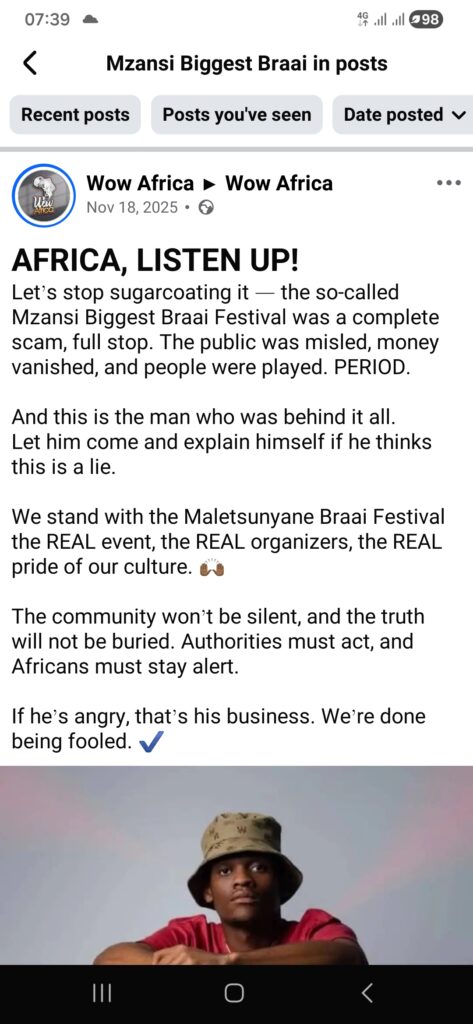
At the center of this storm is the promoter behind the highly controversial “Mzansi Biggest Braai Festival”—an event that was publicly labeled a massive disappointment and an operational failure in South Africa, leaving patrons feeling misled and demanding answers.
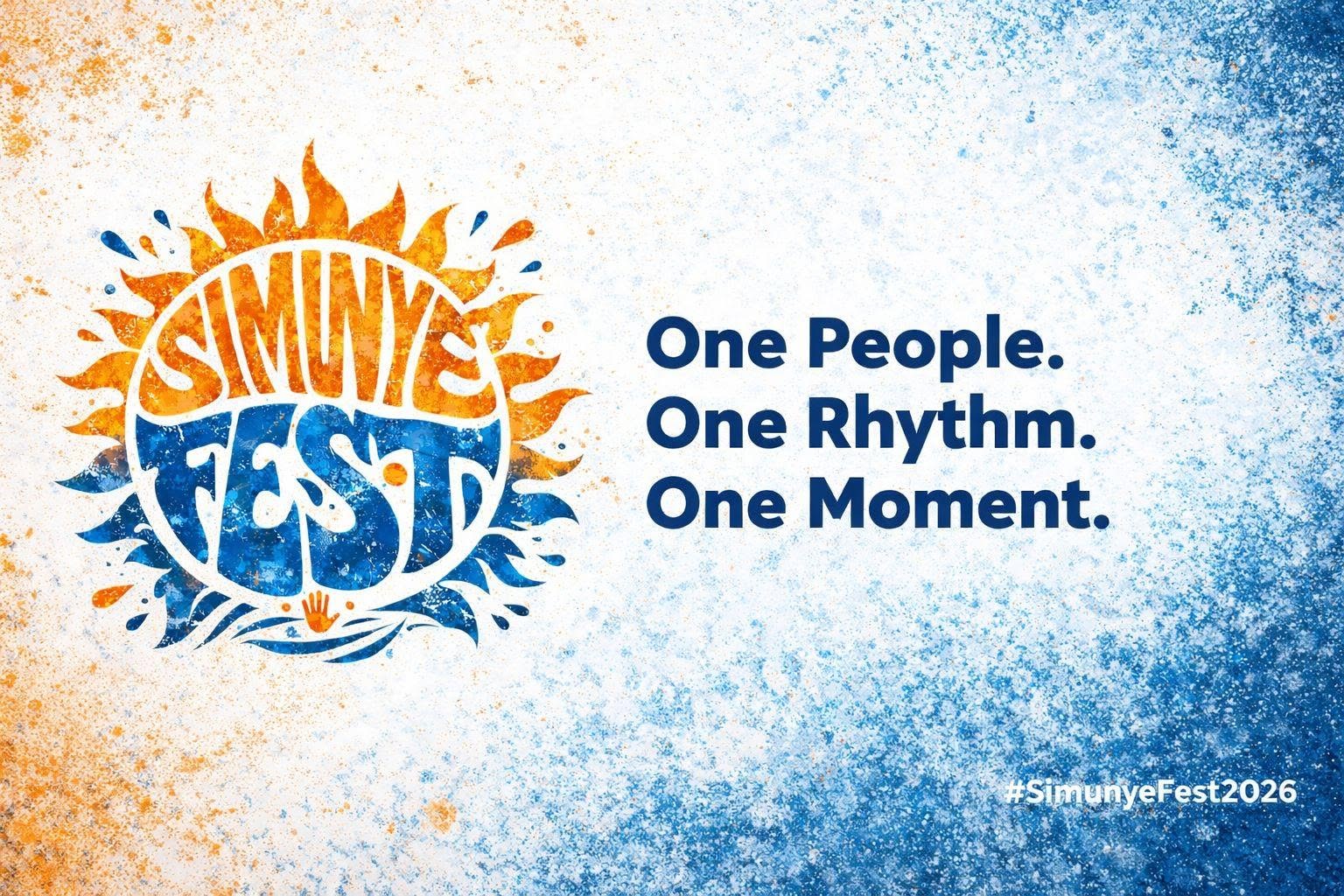
Despite the reputational damage left behind, the same playbook is actively being deployed here in Eswatini through the chaotic rollout of Simunye Fest 2026.
The Anatomy of a Contradiction: The Simunye Brand vs. The Vuvulane Reality
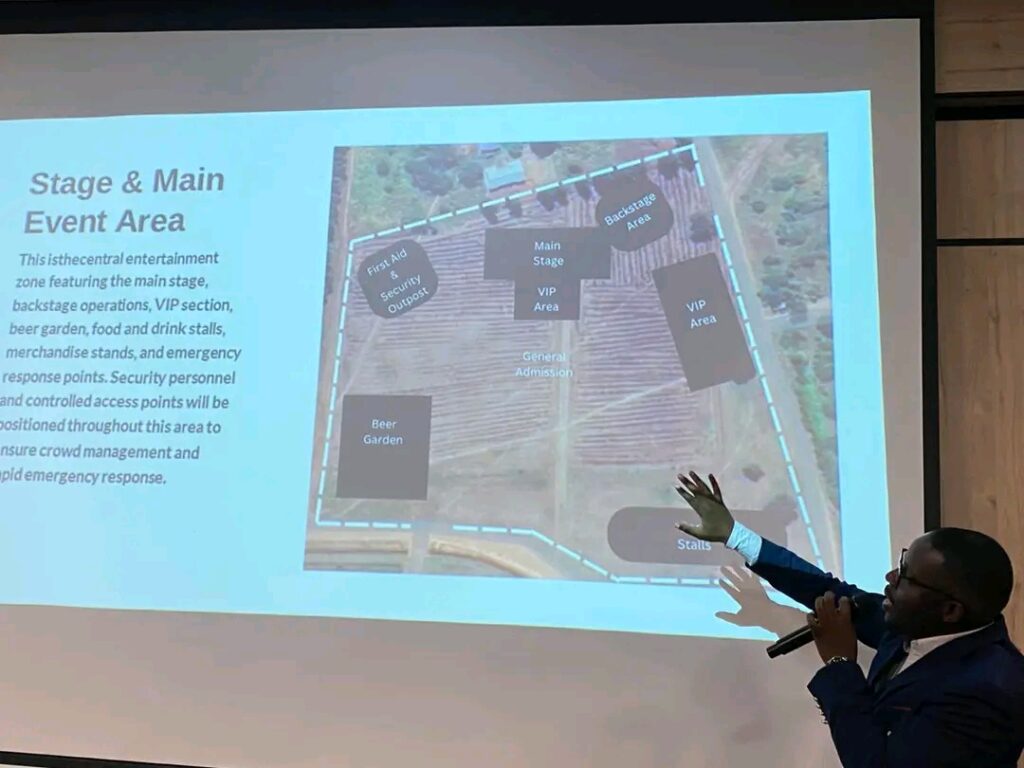
The structural warning signs surrounding Simunye Fest began long before its formal introduction to the public. On April 29, 2026, the organizers officially announced Vuvulane as the venue for the festival. However, a glaring contradiction sits at the very heart of the project: the event continues to heavily leverage the historical prestige, name, and regional legacy of “Simunye,” despite having no authorization to operate there.
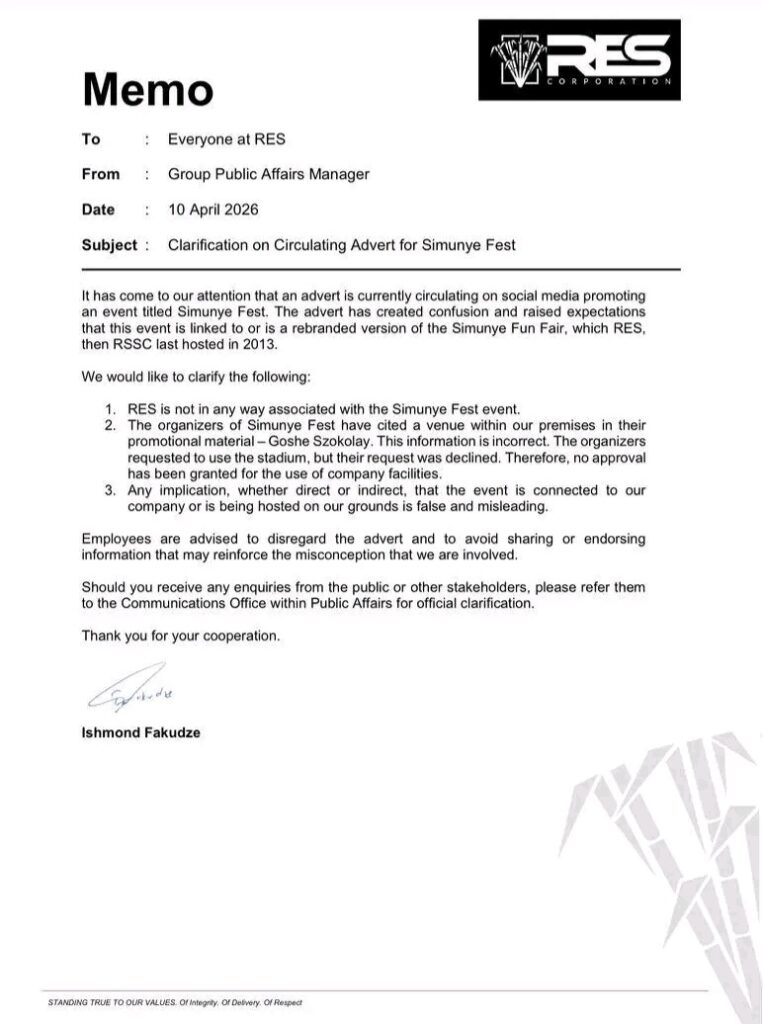
The Royal Eswatini Sugar (RES) Corporation was forced to issue an official corporate memorandum to distance itself entirely from the concept. The promoter had cited the corporate-owned Goshe Szokolay Stadium in Simunye in early promotional concepts without clearance. The RES Corporation’s public statement left no room for ambiguity:
”The organizers requested to use the stadium, but their request was declined. Therefore, no approval has been granted for the use of company facilities. Any implication… that the event is connected to our company or is being hosted on our grounds is false and misleading.”
For an organizer to build a festival brand named after an area where their facility requests were explicitly rejected is a classic red flag of high-risk event promotion—one that closely echoes the missteps that compromised the Mzansi Biggest Braai.
High-Profile Partners Walk Away Post-Launch
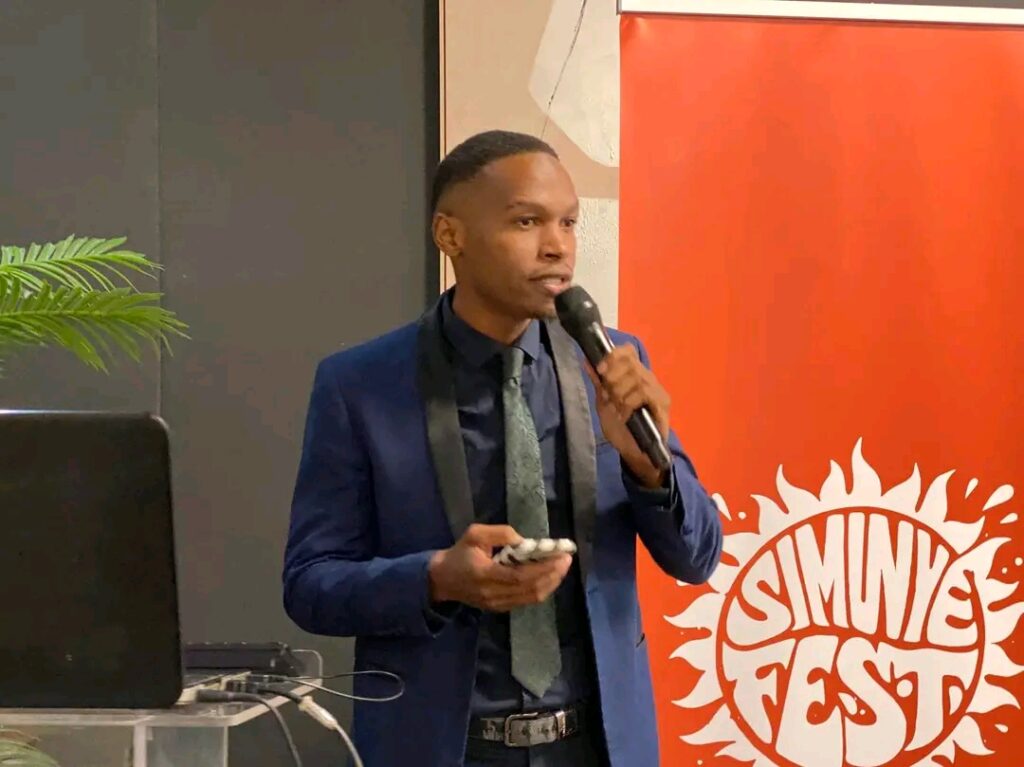
Following the initial venue announcement, the organizers attempted to cement the event’s credibility by hosting an official Media Launch on June 15, 2026. The launch brought together media partners, sponsors, and key stakeholders to build momentum around the festival’s vision.
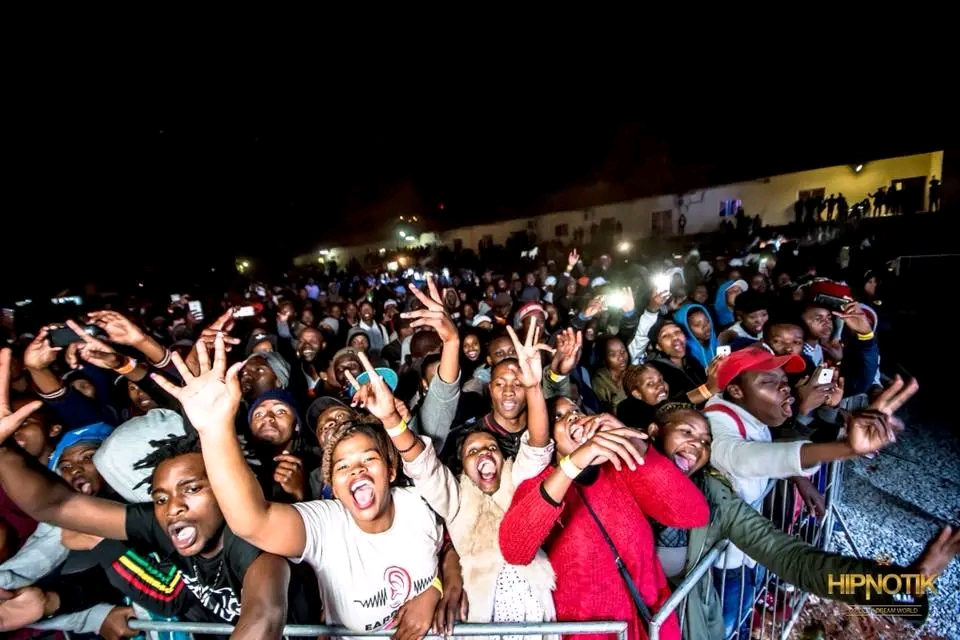
Among the core elements of this rollout was a planned stage partnership with Hipnotik Festival, one of the region’s most prominent urban music brands. However, the structural instability of the project became undeniable just weeks after the launch.
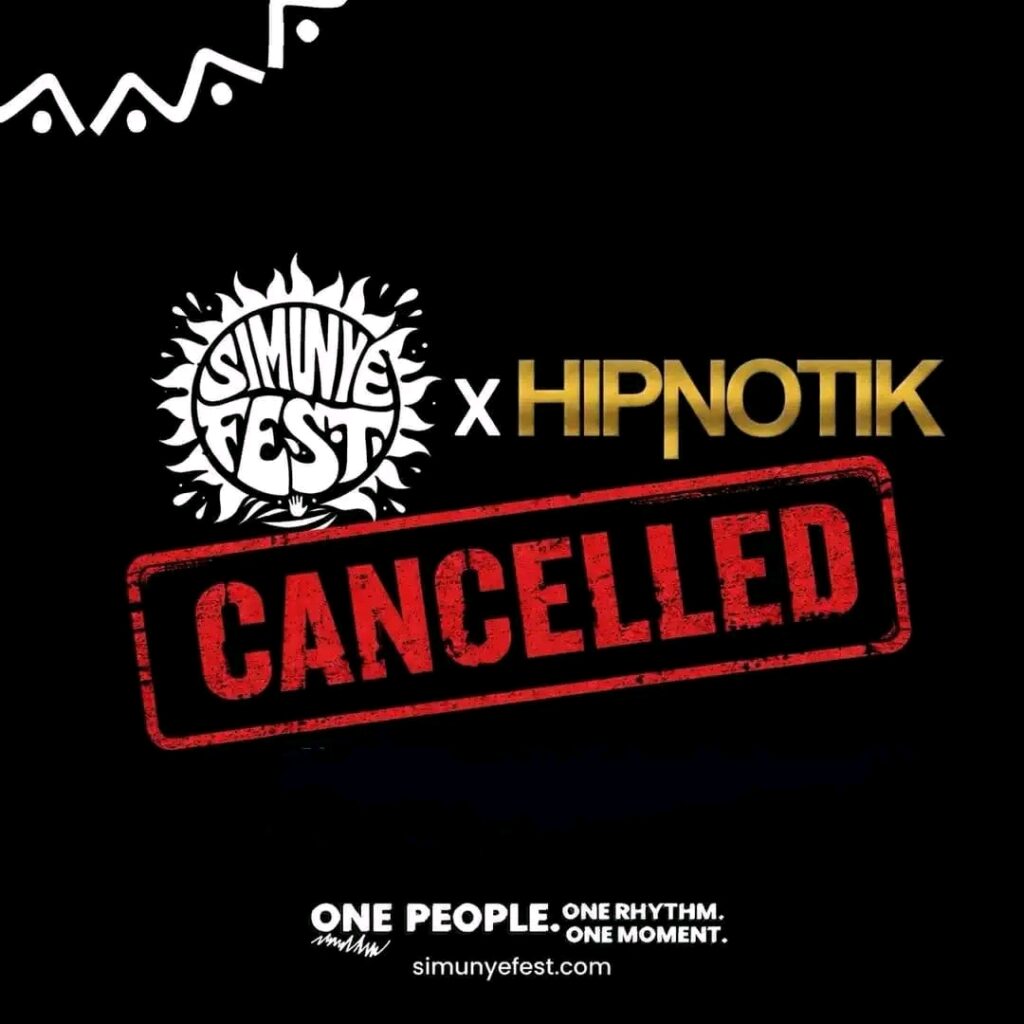
Hipnotik’s management officially announced its complete withdrawal from Simunye Fest. Citing “unmet contractual obligations,” Hipnotik’s management explicitly stated the decision was made to protect their production standards and brand integrity. This major post-launch exit forces Simunye Fest into a corner, completely disrupting its planned stage programming and leaving the public to question the long-term operational viability of what remains of the event.
Behind the Scenes: Evasion and Legal Threats
When an event’s foundational structure begins to crack under public scrutiny, professional organizers provide transparent clarity. High-risk promoters, however, lash out.
When formally reached out to for comment regarding the stability of Simunye Fest and his past promotional history, the promoter entirely refused to address the documented venue rejections or partnership terminations. Instead, he resorted to volatile insults and erratic deflections via private messages, explicitly stating on the record:
“I wont even respond to your lame ass publication coz it’s lame, yebaba I’m a corporate mine. I don’t deal with mediocre yeva yini.”
“So you guys think you will be the ones to stop us… Fuck outta here!!”
When reminded that his hostile language was being documented for an investigative piece, the promoter pivoted from street insults to aggressive legal intimidation, sending a final wave of messages designed to suppress the press:
“Ohh by the way, we are lawyered up all the way to the sleeves. Just a promise to you boet, if you dare publish misleading or anything that constitutes defamation rest assured we will sue the fuck out of you. Not a threat but a promise! We watching yall 🤣🤣”
The irony of claiming “corporate” alignment while hurling profanity, attacking former associates (“No one likes Sakhile in the country…”), and attempting to bully media platforms highlights the massive deficit in professional leadership behind this event. When a promoter handles formal media inquiries with evasion, legal bluffs, and emotional outbursts rather than providing verifiable corporate proof, it serves as the ultimate warning sign to vendors, sponsors, and the general public that the infrastructure behind the project is non-existent.
The Trail of Unpaid Services: A Pattern of Financial Delinquency
In a final attempt to deflect from his operational failures, the promoter attempted to personally demean the press and former partners by weaponizing past business engagements and making petty personal attacks, stating via private messages:
“Media company bekangcela bo 20 rand. Ungangijwayeli kabi wena. Nxa”
“Nalo Sakhile wakho bekasicela ema airtime every week simuzame. Nifile yindlala nine🤣🤣🤣”
However, industry records paint a completely different picture. This publication can confirm that our team was already in active professional engagement with the promoter, having discussed commercial rates on record to assist with strategic elements of his event layout. The funds the promoter attempts to mischaracterize as a personal favor were, in reality, standard commercial requirements discussed to secure compensation for the professional effort and resources being dedicated to his project.
When a promoter deliberately misrepresents standard industry rate discussions and professional transaction parameters as personal handouts, it highlights a structural failure to grasp corporate operations and a deeper resistance to honoring standard commercial agreements with local media houses and service providers.
The Record Stands
The promoter has officially declined his right of reply, chosen to mock the press, and confirmed he cannot defend his operational record.
When confronted with the reality of their unraveling partnerships behind closed doors, the behavior shifted to hostile, profanity-laced threats via private messages, warning local industry professionals to stay away from his business, using derogatory language (“yemfokati”), and threatening to “drop everything” to personally target those who look too closely at his operations. This aggressive defensive mechanism is the ultimate confirmation of a project in crisis.
A History of Rebranding: From ‘Zanzi Pride’ to ‘Simunye Fest’
The public pushback against the organizer reveals that the pattern of operational failure stretches back even further than initially reported. Public comments and industry call-outs have highlighted a recurring history of rebranding failed concepts to target new crowds.
According to public industry reviews, the promoter previously organized the “Zanzi Biggest Pride Festival,” an event described by patrons as a complete failure where the organizer allegedly failed to appear and ticket holders lost their funds.
Rather than addressing these historical liabilities, the organization quietly rebranded the concept into the “Mzansi Biggest Braai Festival” in South Africa, before shifting locations once again to cross the border into Eswatini under the guise of “Simunye Fest 2026.”
When publicly confronted with these documented failures on social media, the organization’s official response channels bypassed any factual defense, choosing instead to mock critics and target local media houses with dismissive comments:
“You still mad at us too Mr wow Africa? 😂😂😂. You and laurence (mr the sauce eswatini) same WhatsApp group 😂😂😂. Bye😂😂😂
📉 THE SOURCE VERDICT
THE CONSUMER PROTECTION ANALYSIS: Eswatini boasts an entertainment sector built on mutual respect, brand integrity, and authentic corporate backing. Allowing promoters who have left a trail of reputational damage, unauthorized branding claims, financial delinquency, and failed partnerships to operate in the Kingdom risks damaging the industry’s credibility as a whole.
THE VERDICT: The dots connect perfectly. From the ashes of a failed festival in South Africa to unauthorized venue inquiries, a high-profile partner exit weeks after the media launch, an outstanding trail of unpaid service invoices, and a complete refusal to provide transparent corporate proof, the writing is on the wall. Kingdom vendors, artists, sponsors, and patrons should tread with extreme caution.
Stay Ahead of the Market Landscape
Get access to deep-dive investigative journalism, consumer alerts, and macroeconomic market insights shaping Eswatini’s commercial landscape. Join our network of corporate leaders today.
Unbiased. Investigative. Real-time intelligence straight to your inbox.










Advertisement

Related Posts


Stay Informed With the Latest & Most Important News





Advertisement