
Now Reading: THE GREEN TRANSITION: Inside the Strategic Launch of Eswatini’s 58th International Trade Fair (EITF 2026)
-
01
THE GREEN TRANSITION: Inside the Strategic Launch of Eswatini’s 58th International Trade Fair (EITF 2026)
Advertisement

THE GREEN TRANSITION: Inside the Strategic Launch of Eswatini’s 58th International Trade Fair (EITF 2026)

Advertisement
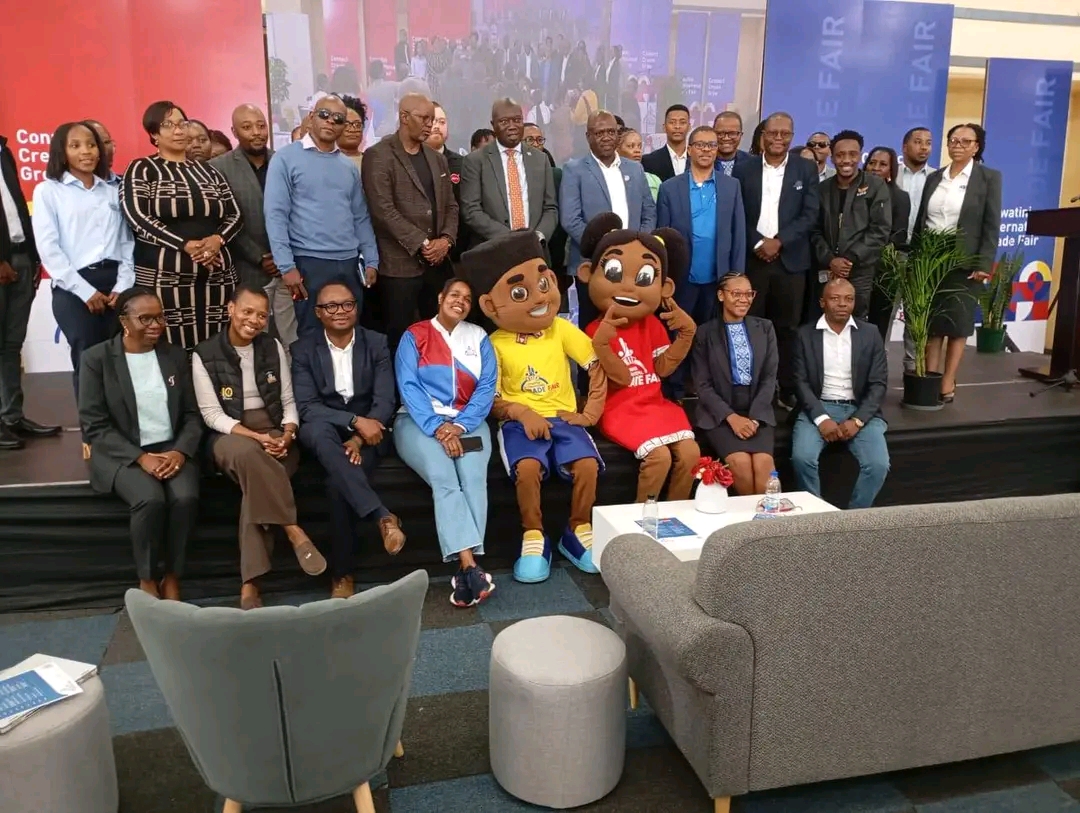
In the modern global marketplace, macro-economic survival is no longer just about trading volume—it is about structural sustainability. This shift took center stage as the Ministry of Commerce, Industry and Trade officially launched the landmark 58th Edition of the Eswatini International Trade Fair (EITF 2026).
Running under the forward-looking theme, “Unlocking Green Economy Opportunities for Sustainable Trade Promotion,” this year’s launch signals a highly calculated pivot in Eswatini’s national trade policy.
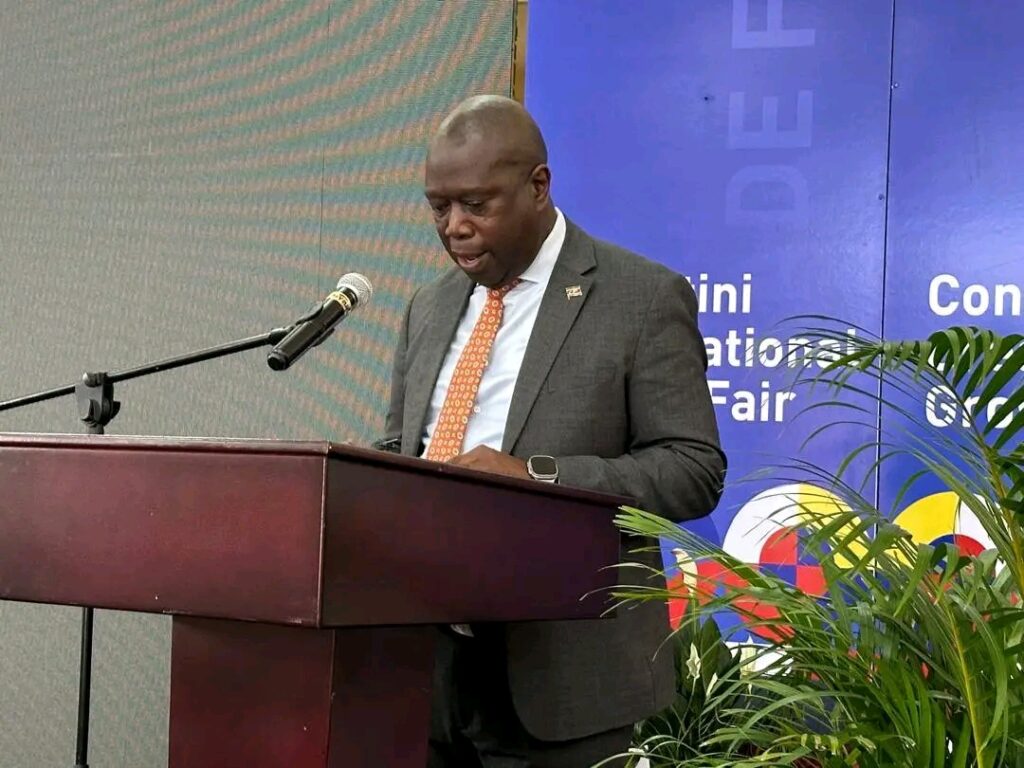
Speaking on behalf of the Honourable Minister Manqoba Khumalo, Ambassador Melusi Masuku anchored the launch by highlighting the EITF’s historical position as a foundational cornerstone of the Kingdom’s economic engine since its inception in 1968. For nearly six decades, the fair has acted as the primary pipeline for foreign direct investment (FDI), cross-border trade agreements, and domestic MSME commercialization.
However, EITF 2026 marks a clear departure from standard legacy exhibitions by demanding a new prerequisite for competitive commerce: Environmental, Social, and Governance (ESG) compliance.

1. The Core Focus: Commercializing the Green Economy
By centering the 58th edition entirely on the green economy, the Ministry of Commerce is aligning Eswatini with international trade demands. The modern investor landscape—particularly under EU and regional SADC trade pacts—increasingly penalizes carbon-heavy supply chains while incentivizing sustainable manufacturing.
EITF 2026 will serve as the commercial testing ground where corporations, tech innovators, and small-scale manufacturers can showcase tangible green initiatives. The agenda moves past passive corporate social responsibility (CSR) to focus on functional ESG frameworks that cut operational overhead, optimize resource efficiency, and unlock new sustainable market access.
2. The Structural Blueprint of EITF 2026
To turn this policy framework into direct commercial transactions, the 10-day fair at the Mavuso Trade & Exhibition Centre from 28 August to 6 September 2026 has been structurally mapped into clear investment pipelines:
- High-Level Business Seminars: Moving away from standard lecture formats, these sessions will explicitly focus on financing green transitions, scaling sustainable agri-processing, and securing green credit lines for local enterprises.
- Multi-Tier Exhibitions: A centralized marketplace matching high-growth local MSMEs with international trade delegations from across the globe.
- The Digital & Talent Showcase: Deliberately linking Eswatini’s emerging digital innovators and creative industries with institutional capital and technology partners.
- Cross-Border Networking: B2B matchmaking zones engineered to fast-track regional joint ventures and supply chain integrations.
To ensure seamless operational readiness for the event, the Ministry has established critical structural milestones for interested participants. The institutional application window is set to close on 25 June 2026, with the final payment deadline following closely on 26 July 2026.
📈 THE SOURCE VERDICT
THE ANALYSIS: The EITF has survived since 1968 because it adapts. By embedding the “Green Economy” into the 58th edition, Minister Manqoba Khumalo’s office is preparing local industry for the future of international trade regulations. Green economy trade is no longer an environmental debate—it is a multi-billion-lilangeni market opportunity.
THE PRIVATE SECTOR TAKEAWAY: For corporate directors and ambitious MSMEs, participating in EITF 2026 is a strict strategic necessity. If your business is not actively designing or presenting a sustainable, ESG-aligned operational narrative, you are rapidly becoming un-investable in the modern economy. The trade fair is your platform to publicly anchor your brand to the future of regional commerce.
THE VERDICT: A brilliant macro-economic positioning play. The time for theoretical sustainability is over. EITF 2026 offers the exact infrastructure needed to turn eco-innovation into hard currency and sustainable national GDP. Execution over rhetoric remains the ultimate metric.
🔔 NAVIGATE THE MACRO ECONOMY WITH PRECISION
When inflation patterns shift, capital migrates. Don’t base your corporate budget on guesswork—base it on hard statistical intelligence.
Click the BLUE SUBSCRIBE ICON at the bottom of your screen to join our network of elite decision-makers who read The Source to protect their wealth and align their business strategies with certified national data.
🔵 CLICK TO SUBSCRIBE & ENABLE NOTIFICATIONS










Advertisement
Related Posts
Stay Informed With the Latest & Most Important News





Advertisement